Book Deacidification
In the comments on my series of posts about preserving information for the long term – several centuries – the idea that paper is not such a bad storage medium has come up a couple of times.
For anyone who has only just joined me, here are the previous posts:
- Striking a balance between digital and analogue forms of information
- Physically preserving the storage medium
- Ensuring that information remains readable from the medium, and that the necessary software remains available, hundreds of years from now
In fact, paper is a very poor storage medium. We all know how easily it can be damaged by fire, flooding, insects, fungi, mould, exposure to light, or improper temperature and humidity.
But there is another, particularly insidious factor that many people do not know about.
From the 16th century until the mid-19th century, paper was made from various kinds of rags, including old bed sheets. Producing paper this way was very slow and therefore expensive. In the 1850s, a new method was developed using cellulose from wood pulp. And that is a very big problem.
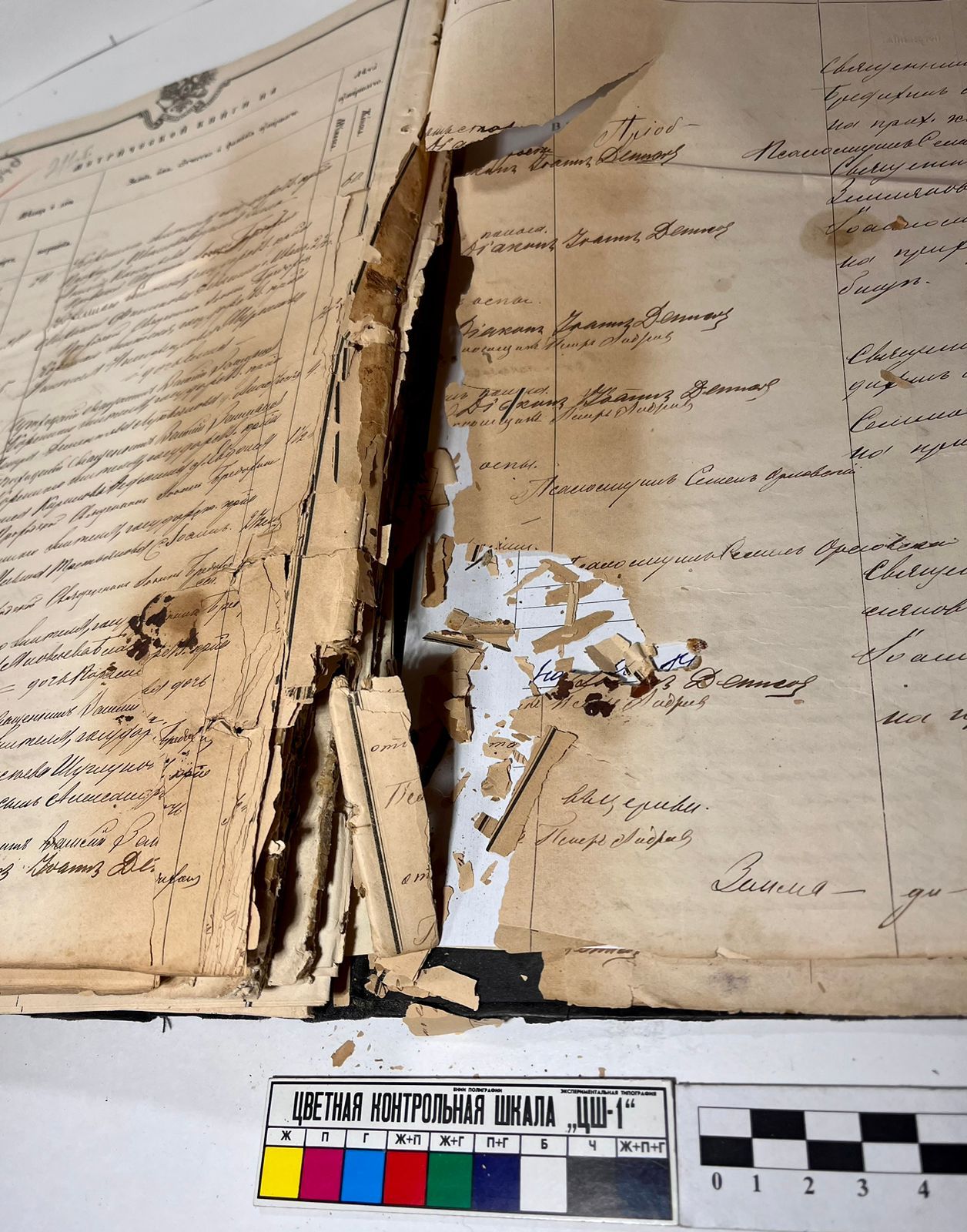
Wood contains a chemical substance called lignin. It is responsible for that wonderful old-book smell with its notes of vanilla. Lignin also causes the paper to oxidise, making it yellow and brittle. As the paper becomes brittle, pieces of the page literally break away until it crumbles into dust (see the photo).
The paper kills the book from within. On average, it takes 30–100 years for a book to be lost to the oxidation processes taking place inside it.
Imagine every book printed from the 1850s to the present day being irretrievably destroyed. That would leave an enormous gap in human history.
Can anything be done?
Of course. There is a process called paper neutralisation, or deacidification. It can be done manually – by spraying every page of a book with a special solution – or at scale.
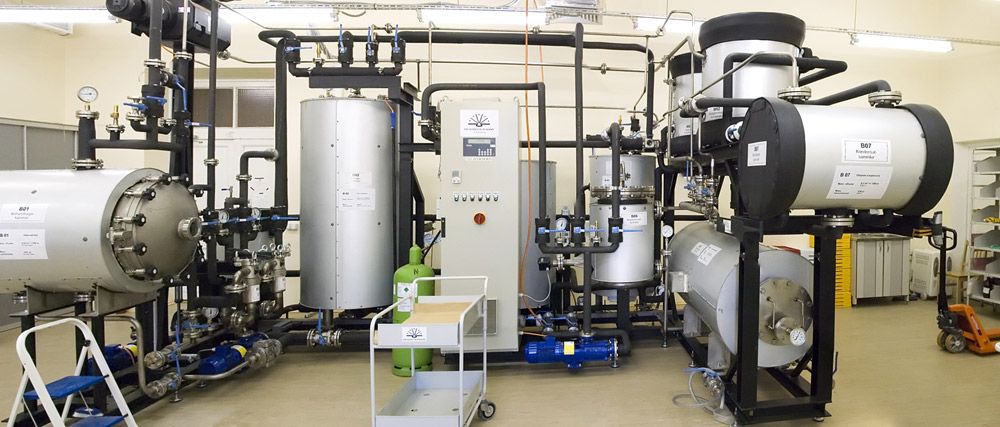
The National Library of Russia has a unit for the mass deacidification of books (see the photo). The principle is very simple: several kilograms of books – the capacity really is measured in kilograms – are placed inside, cooled, and flooded with a special chemical concoction. The books are then dried using special steam. The unit’s theoretical throughput is 20 tonnes a year, but because the reagents take so long to prepare, only several dozen kilograms of books can be treated each week.
To the best of my knowledge, there are no other units for the mass deacidification of books in Russia. Sad, is it not?
Now imagine your entire home library crumbling into dust within a decade or two…
Still think paper is a reliable storage medium?