Swiss Watch Movements
Swiss watch movements.
In the comments on my post about mechanical watches, Igor Kostyuchenok made the point that watch companies have long since become marketing companies. I promised to write a separate post about this, and here it is.
Let me make one qualification straight away: in this post, I will only be talking about Swiss mechanical watches.
It turns out that only watches meeting the following criteria are considered Swiss and may bear the “Swiss Made” or “Swiss” label:
- The calibre, meaning the watch movement itself, consists of more than 80% Swiss components;
- The calibre is manufactured entirely in Switzerland;
- The calibre is fitted into its case in Switzerland;
- The watch undergoes its final inspection in Switzerland.
There are also labels such as “Swiss movement” (the calibre is Swiss, but the watch is assembled elsewhere), “Swiss wristlet” (the bracelet is Swiss), “Swiss case” (the case is Swiss), and “Swiss parts” (the calibre is assembled from Swiss components).
The calibre is the core of any mechanical watch.
Watch companies fall into two categories:
- Those that use a movement made by another manufacturer as a base, make the dial, hands, case, strap and so on themselves, and sell the watch under their own brand. The vast majority of companies work this way: Longines, Baume & Mercier, Panerai, Richard Mille, Montblanc and others.
- Those that manufacture movements for their watches themselves. Famous Rolex and Patek Philippe are among them.
ETA is a giant in the production of serial movements. It manufactures more than six million movements of various types every year. More than 50% of Swiss watches use an ETA movement.
Serial movements have several undeniable advantages: they are inexpensive, reasonably reliable, and can be repaired in almost any workshop anywhere in the world.
Their drawbacks include a fairly limited set of complications: a chronograph, power-reserve indicator, full calendar, retrograde display, lunar calendar, and other less complex complications.
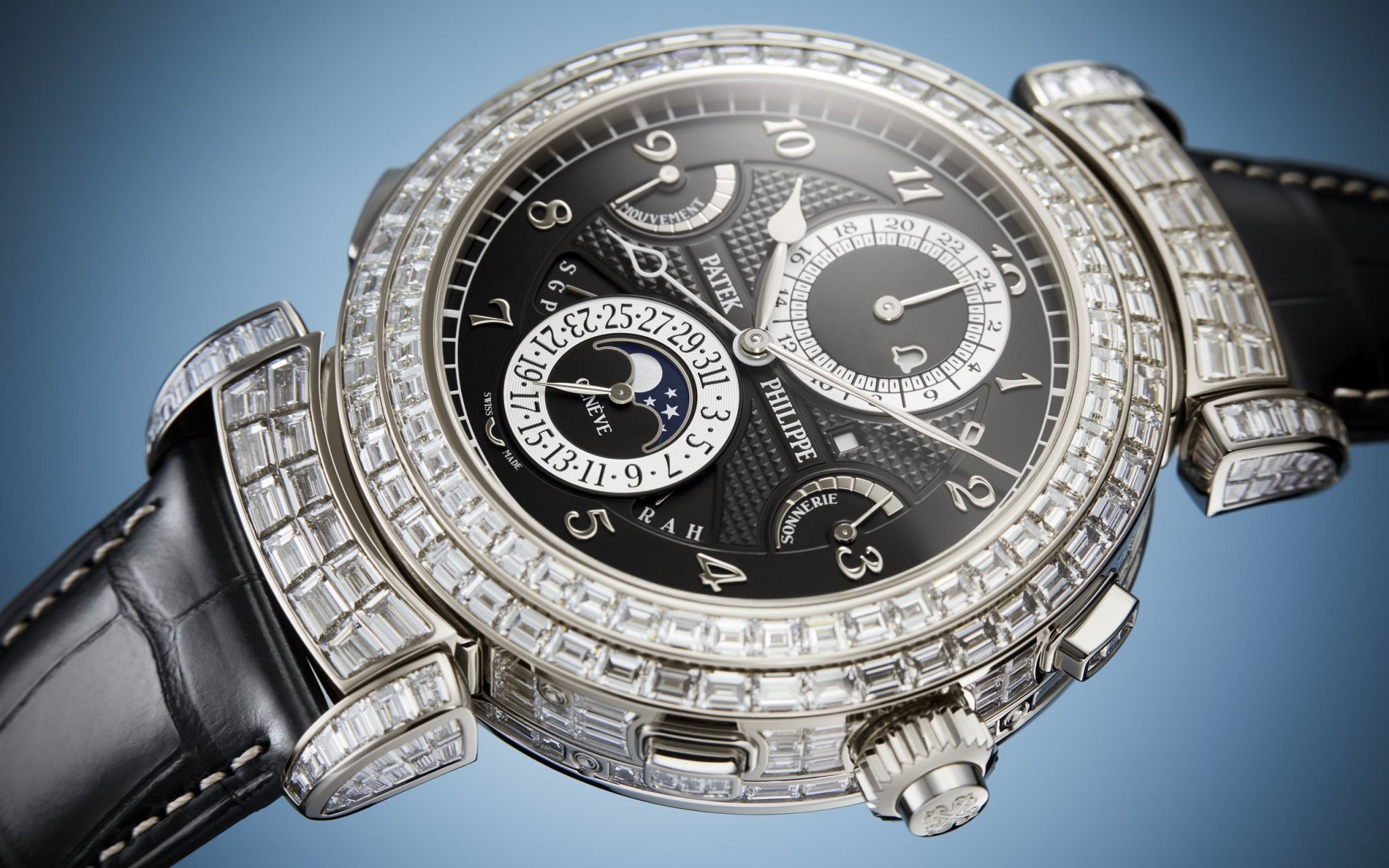
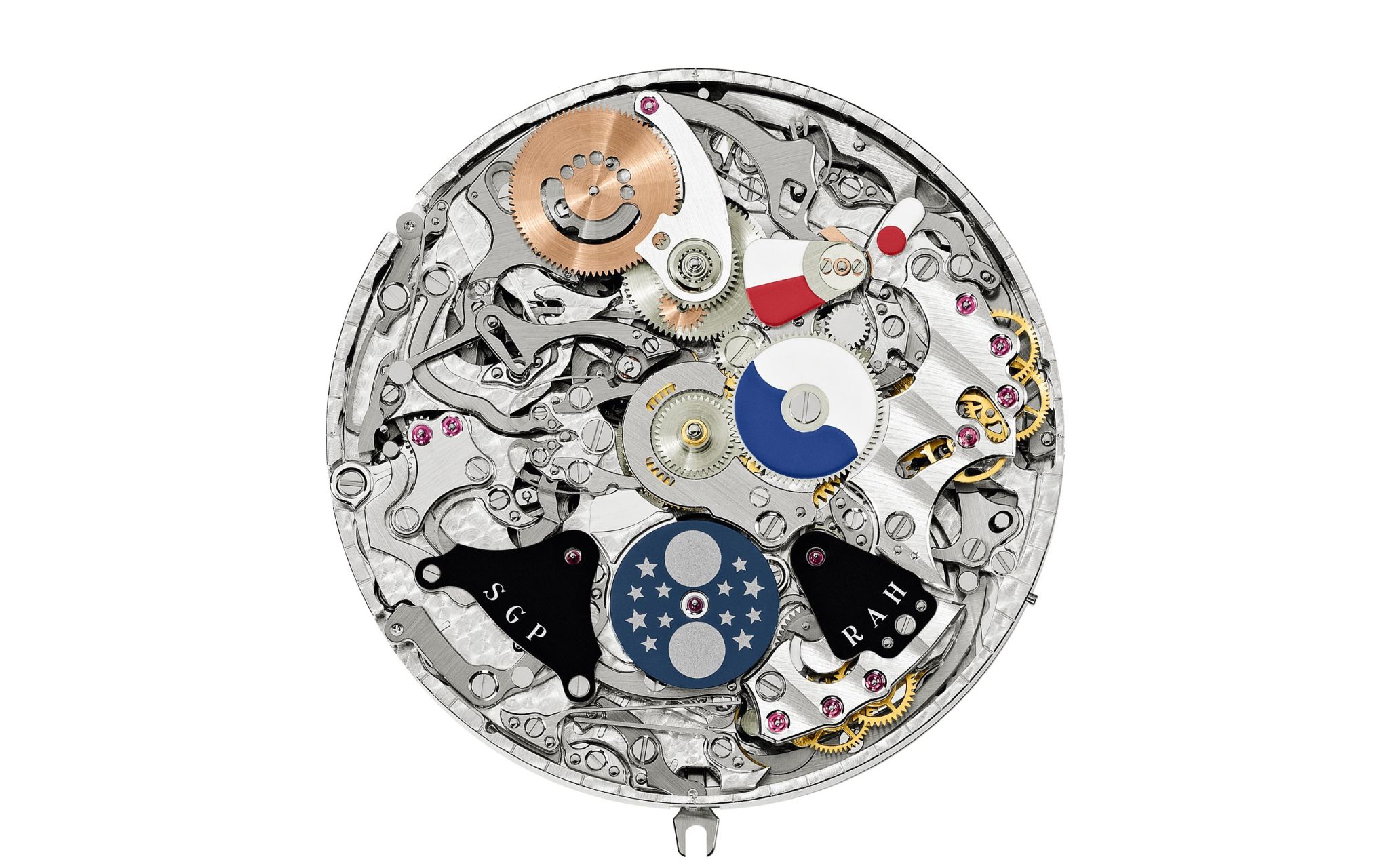
Companies that manufacture their own movements are limited by nothing but their imagination. For example, Patek Philippe’s most complicated watch (pictured) has so many complications that they do not fit on a single dial. Its turning case houses a rotating movement that lets either of its two dials face forward.
The complications in this watch deserve a separate post of their own.