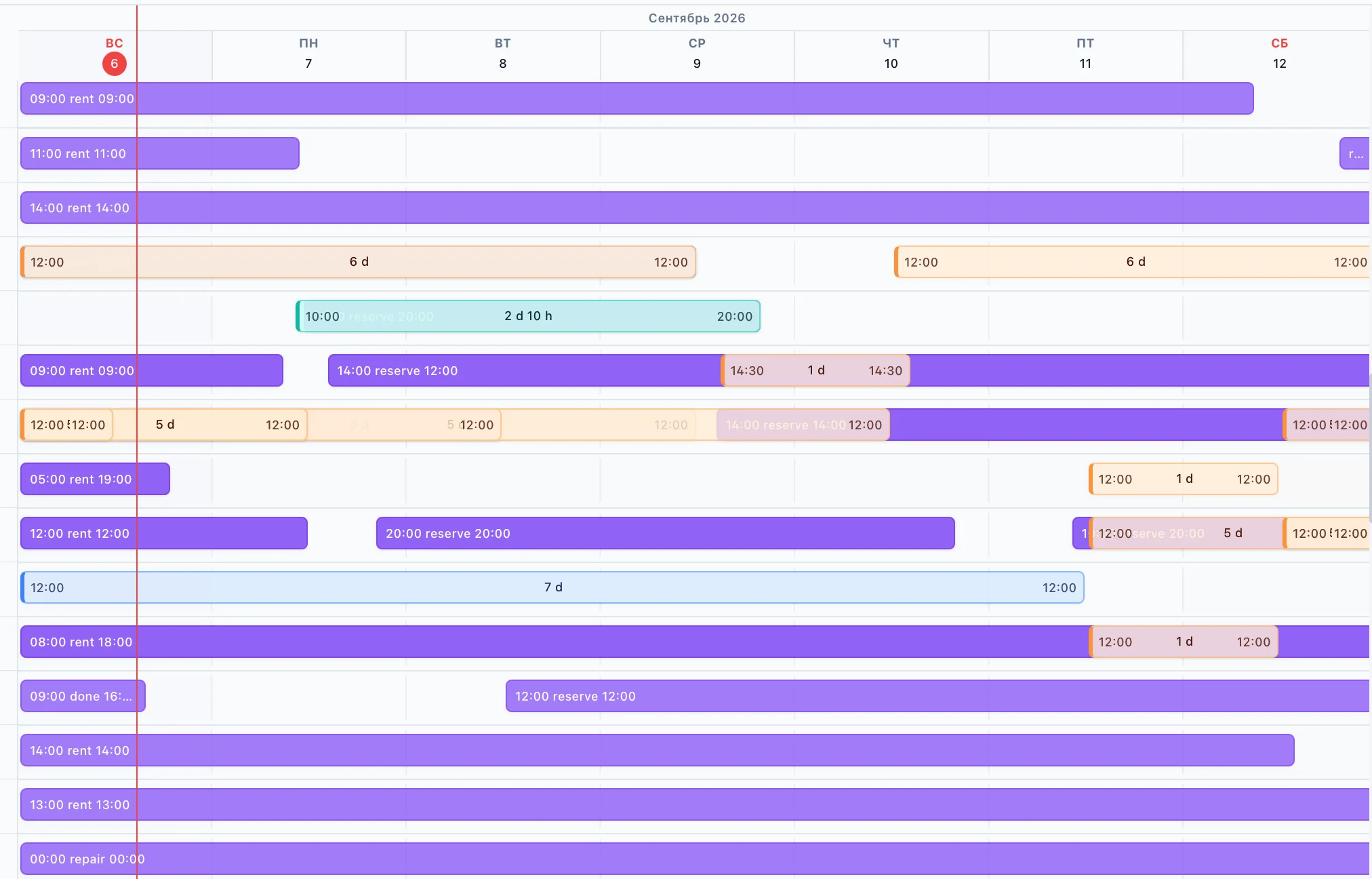
An Example of Digital Transformation
I am occasionally asked, “How does digital transformation differ from automation, IT adoption and digitalisation?” There are several ways to answer that question. For example, in the RANEPA continuing-professional-development programme “Business Digital Transformation”, these concepts were explained by comparing them with the industrial revolutions:
- the first industrial revolution: the use of steam — mechanisation;
- the second: the use of electricity and the invention of the assembly line — automation;
- the third: the use of computers and communications — IT adoption;
- the fourth: cloud computing, big data, AI and IoT — digital transformation.
This is a rather rough comparison, because, as always, the essence lies in the details. Cloud computing and AI alone do not yet amount to digital transformation. If a company has replaced paper forms with electronic ones, moved from Excel to a cloud-based ERP system, and begun handling telephone enquiries through a virtual PBX, that is still IT adoption. Digital transformation begins when technology makes possible a way of organising a company’s operations that was either impossible before or economically unviable.
Let me give an example. Take a car-rental business. At the IT-adoption stage, managers register vehicles in a system, even a cloud-based one, allocate them among locations, set rates and connect the internal system to various aggregators.
With digital transformation, the object of management is no longer a particular vehicle but the overall availability of the entire fleet, including virtual capacity. It is managed across many variables: dynamic pricing, automatic allocation of vehicles among locations, sales-channel management, predictive maintenance, planning future purchases and calculating a personal risk model for every customer.
The point is to plan for even utilisation across the whole fleet. This requires taking into account parameters that had not previously been considered at all:
- a virtual fleet: vehicles that are not currently part of the fleet but will be purchased from a dealer by a specified date;
- overbooking: the ability to upgrade customers automatically when conflicts arise;
- the dynamic integration of other car-rental companies, leasing companies, dealers and owners of corporate fleets;
- and much more.
This approach resembles the shift in IT from managing individual physical servers to cloud computing resources, subsets of which are dynamically allocated to solve a given task and then returned to the common pool.