Digitisation at the Vatican Library
After my post about visiting the Vatican Library, many people wrote to me asking for more detail about the challenges the library faces, the innovations it uses, digitisation in general, and much more.
There is too much information for a single post, so I’m going to write a series and try not to overload each instalment with a long text.
I’ll start with the simplest subject: digitisation.
For those unfamiliar with the process, libraries do not use the flatbed scanners we are accustomed to in offices. First, these scanners damage a book’s spine. Second, the heat from the lamp moving beneath the book is harmful to its pages.
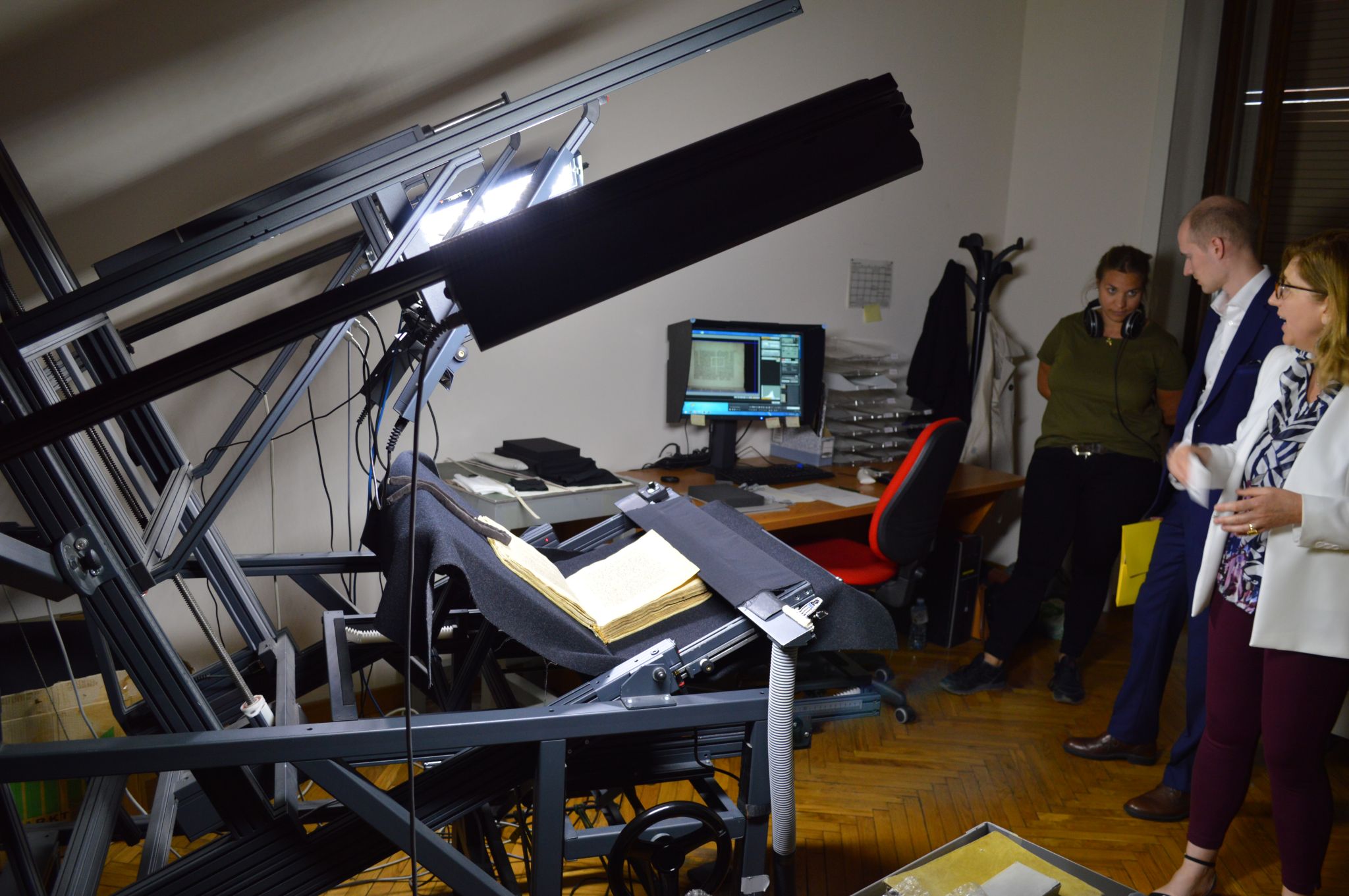
Libraries use planetary scanners instead. A book is opened slightly and placed in a special cradle, with lighting and a high-quality camera positioned above it to photograph each page. The Vatican Library uses planetary scanners that its staff build themselves from readily available materials (see the photos).
The first problem the staff encounter is glare.
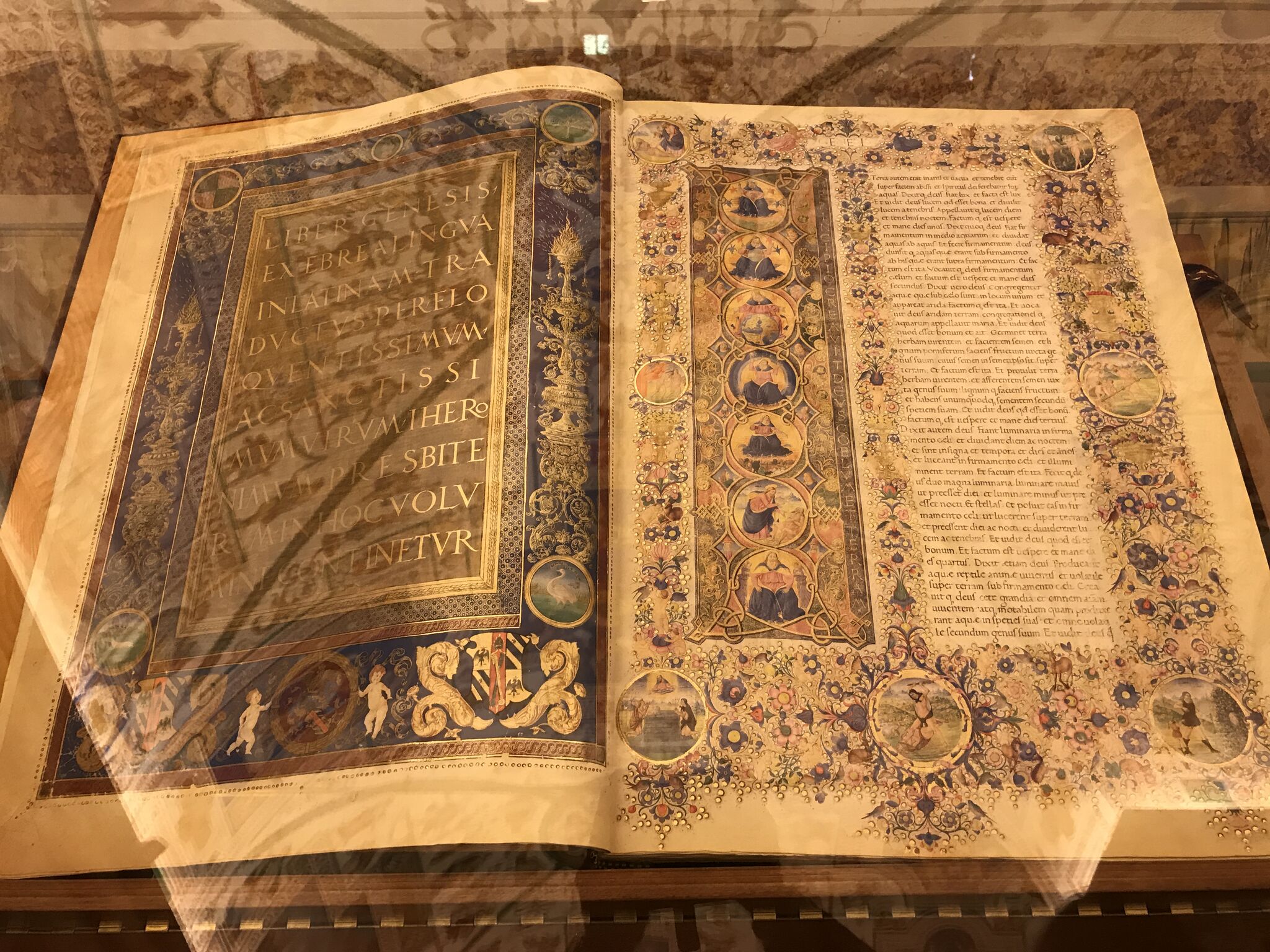
Many books held by the Vatican Library contain gilding, silver, and inlays made from precious and semi-precious stones. All these materials are highly reflective.
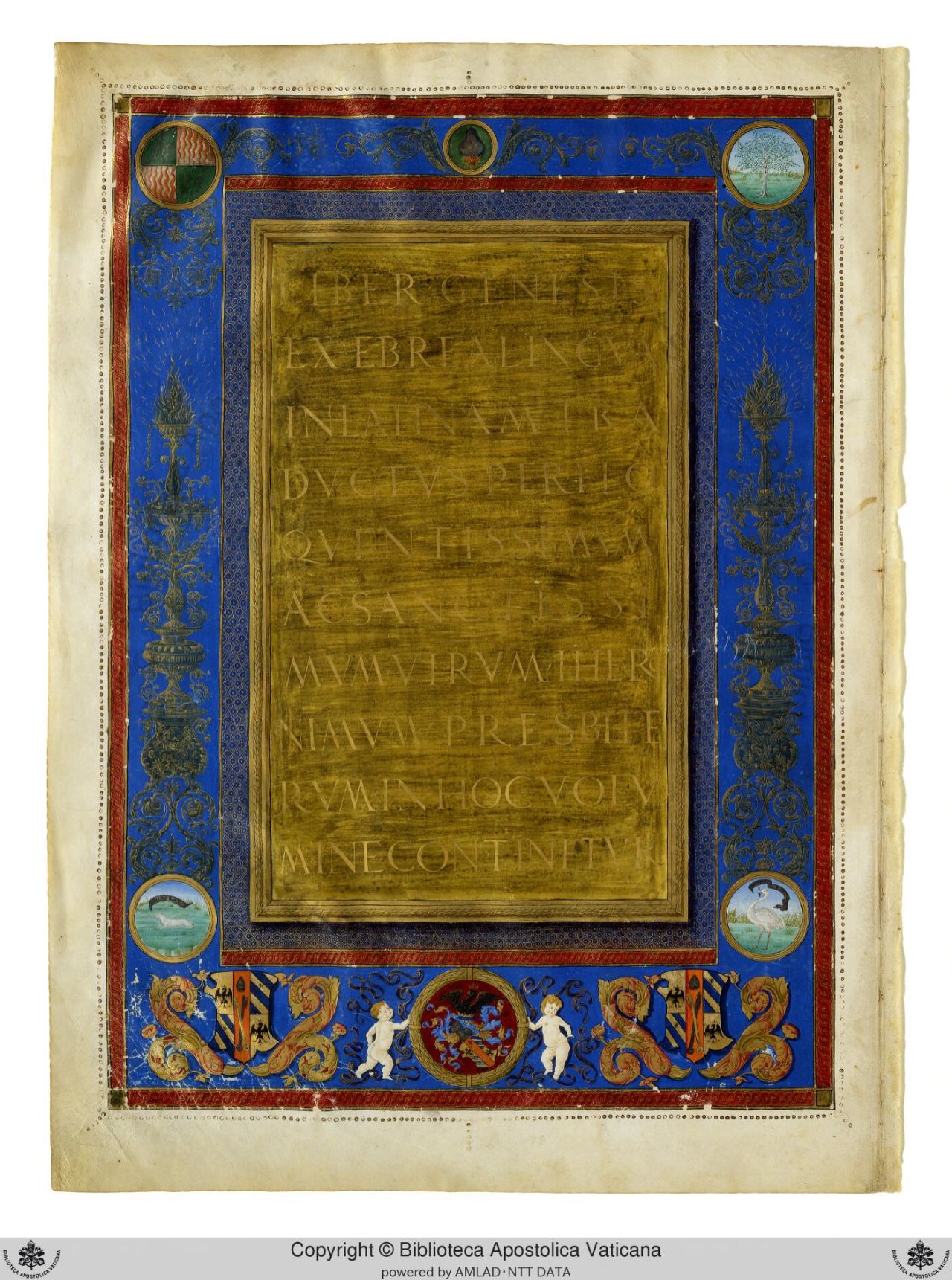
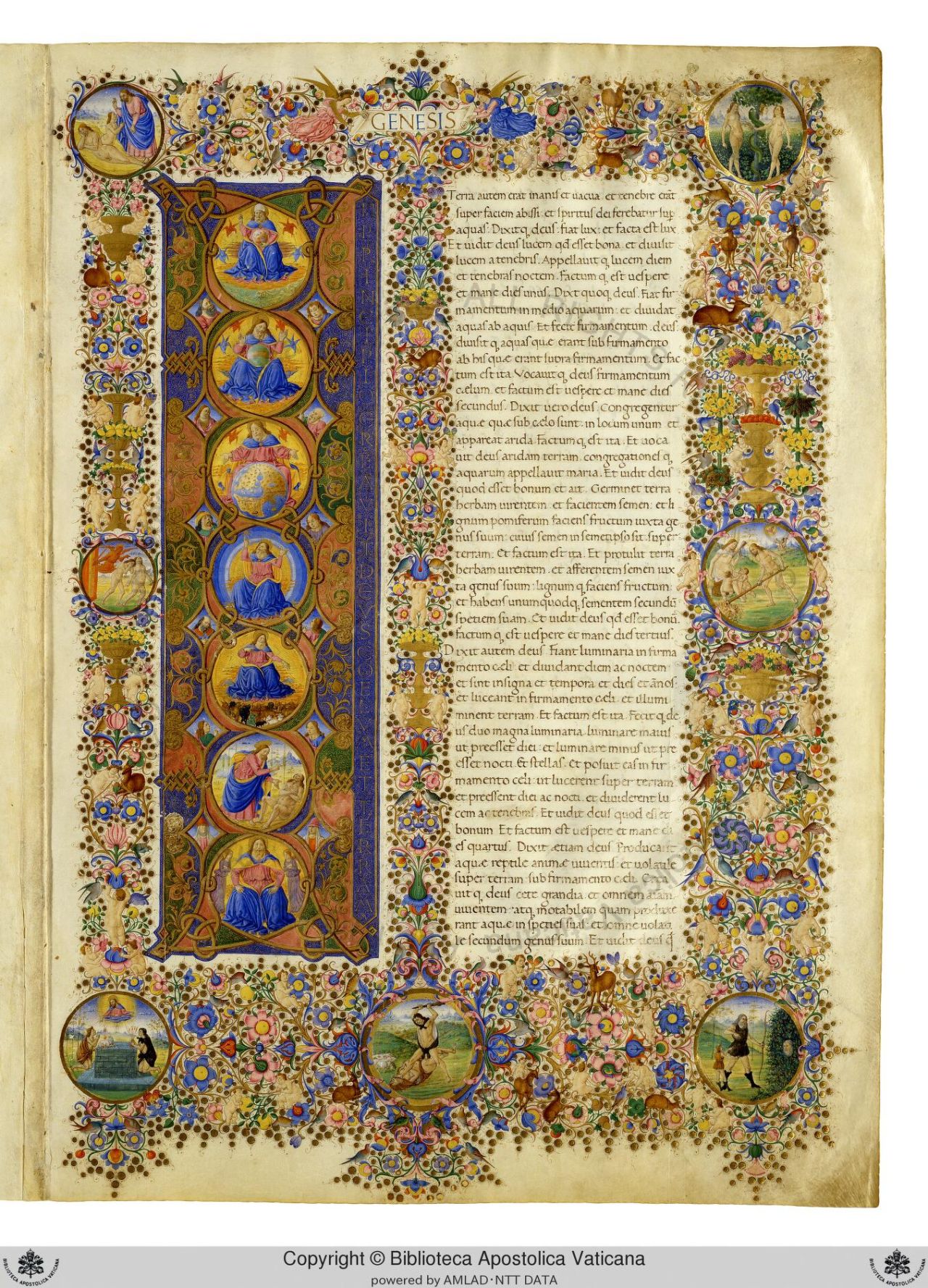
Look at the photo I took and notice how individual elements of the open Bible catch the light. Compare it with the same pages in the Vatican’s digital library, where there is no glare.
The following techniques are used to eliminate glare from the final image:
- Images are captured under different shades of lighting, from cool to warm. Different elements reflect light differently under each one.
- The lighting is positioned at different angles.
- The final image is assembled from sections photographed under different conditions.
- The image is post-processed in specialist software using a range of filters.